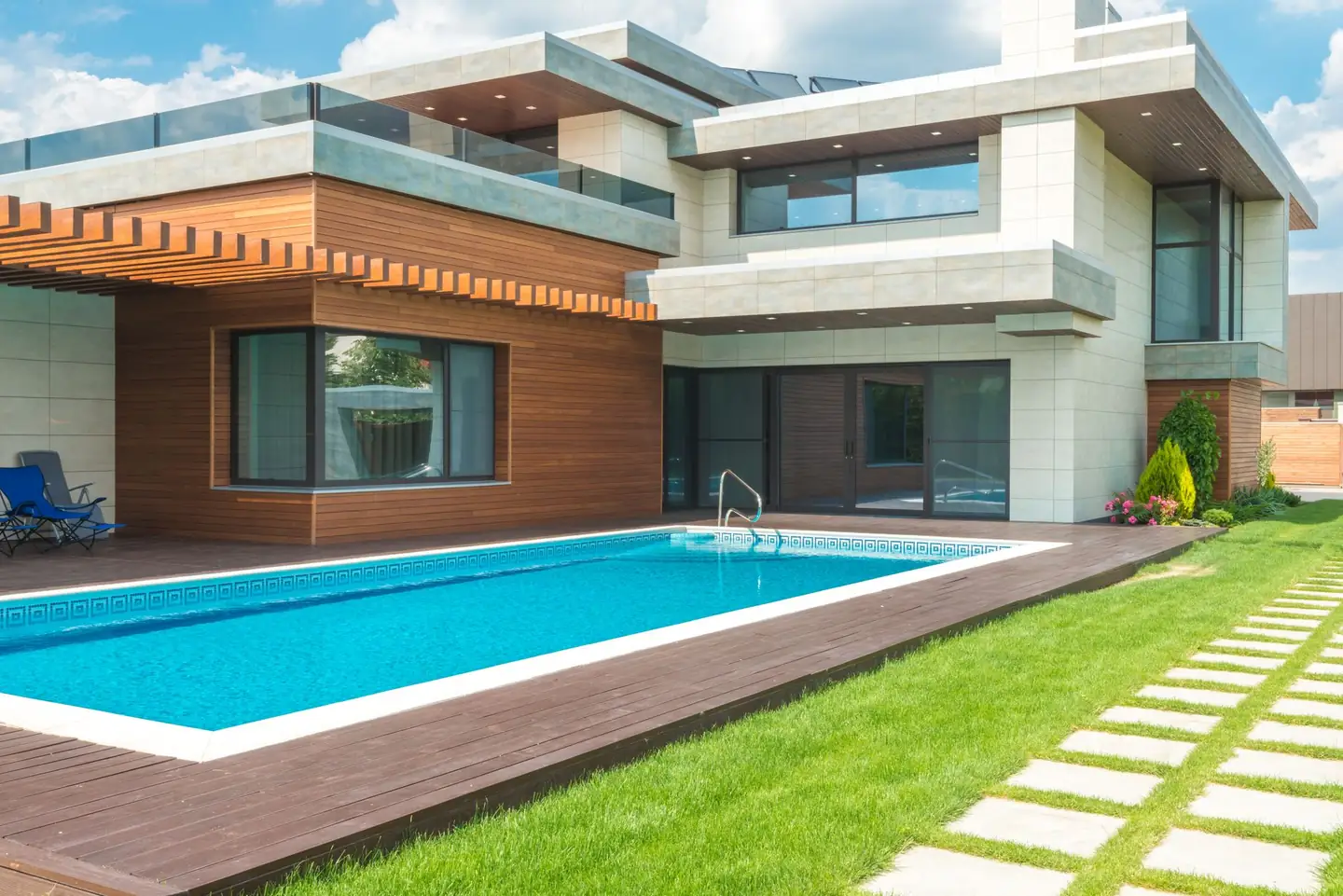
Our Pool Building Services in Legume
-
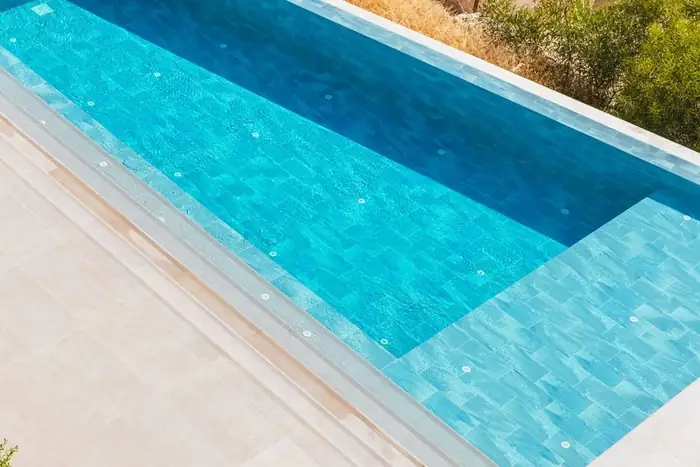
Concrete Pool Construction in Legume
Bespoke concrete pools for Legume, with infinity edges, beach entries and split levels that prefabricated shells simply cannot match.
-
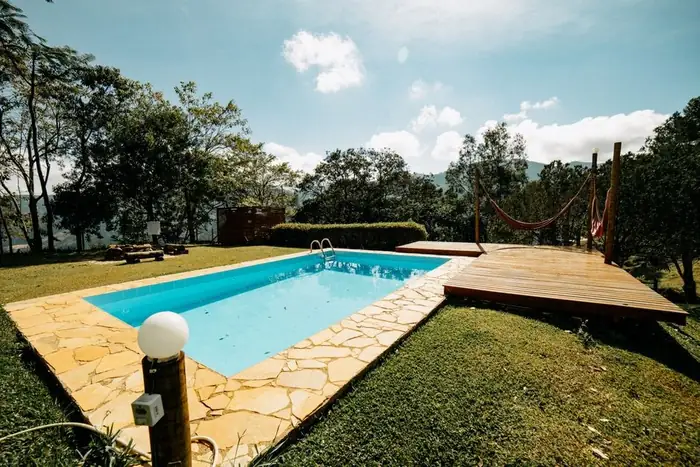
Fibreglass Pool Installation in Legume
Cost-effective fibreglass pools in a wide range of modern shapes and colours, well suited to most Legume backyards.
-
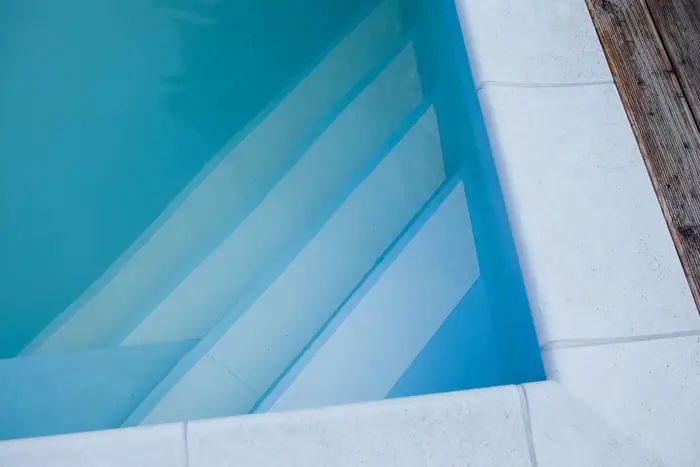
Plunge Pool Construction in Legume
Space-smart plunge pools for Legume, often fitted with swim jets, heating and built-in seating for year-round use.
-
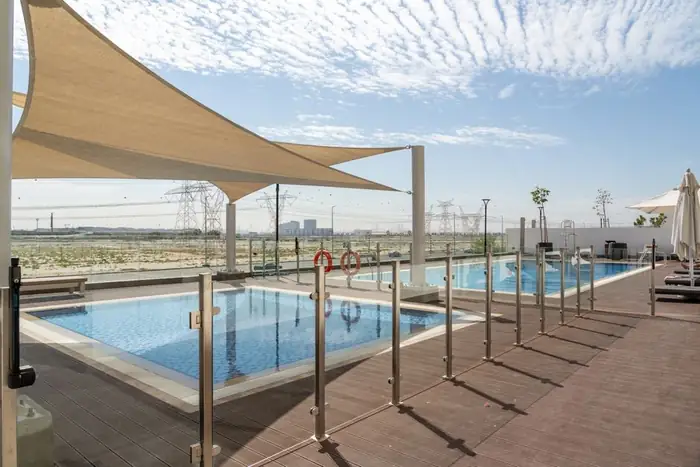
Pool Fencing & Safety Barriers in Legume
Glass and aluminium pool fences engineered for Richmond - Tweed conditions and certified for the NSW Swimming Pools Register.
-
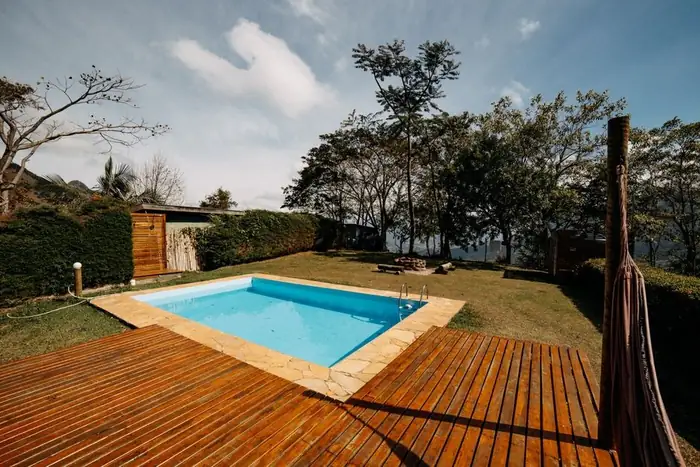
Pool Decking & Paving in Legume
Durable decking and paving framing your Legume pool, chosen to handle splash-out, heat and the Richmond - Tweed climate.
-
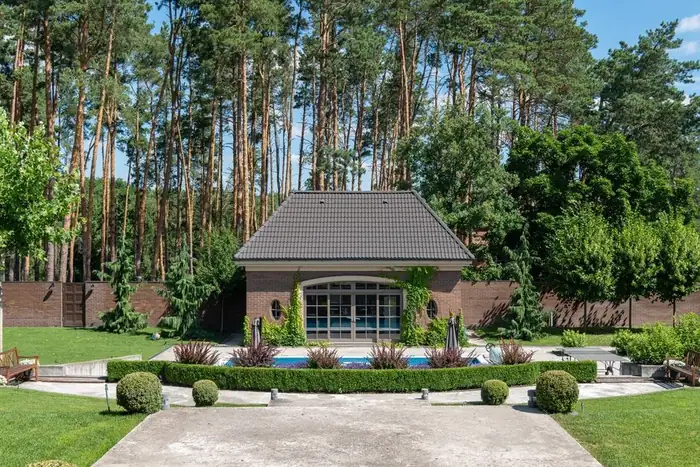
Pool Landscaping & Surrounds in Legume
Poolside landscaping for Legume homes: paving, planting, retaining, screening and lighting tied into one cohesive outdoor space.
Planning Your Legume Pool, Start to Finish
Putting a pool into a Legume backyard is rewarding, and most of the value comes from getting the early decisions right. A local builder works through the site with you before any commitment, weighing access, soil, slope and the spot that will catch the most sun, then matches a design and a pool type to what the block can realistically take. The build itself follows a logical order: approvals, set-out and excavation, the steel and plumbing, the shell, the safety fencing required under New South Wales law, then the paving, landscaping and interior finish that pull the space together. A builder familiar with Tenterfield knows how the approval path tends to run here, whether through a private certifier as a Complying Development or through a Development Application with council, and plans the job around it. That same familiarity helps with the small things that derail unprepared builds, such as where a crane can stand or how to protect an established tree. A pool genuinely suits the Richmond - Tweed climate, extending how a household uses its yard well beyond the peak of summer. With the groundwork done carefully, a Legume pool build proceeds in measured stages rather than lurching from one surprise to the next.
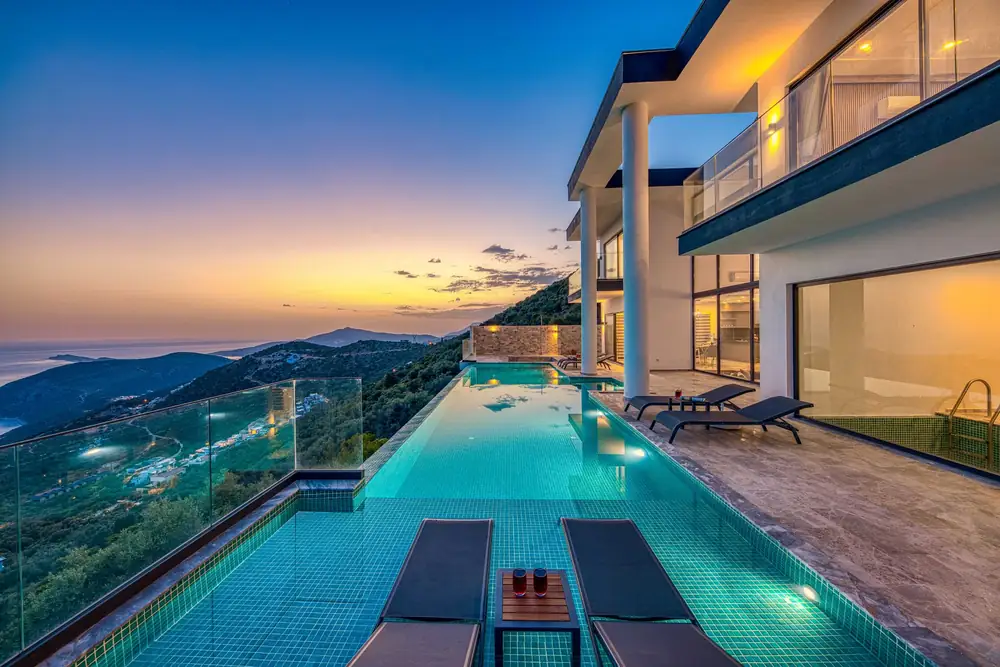
Pool Building and Upgrade Services in Legume
Pool building in Legume is not a single service but a set of related ones, and a homeowner can draw on as much or as little as a project needs. The headline work is new pool construction, split between concrete pools formed and sprayed in place for full customisation and fibreglass pools delivered as a moulded shell for a faster install. Around those sit the compact builds that suit tighter Tenterfield blocks, namely plunge pools for courtyards and lap pools for long, slim yards. Existing pools are well catered for as well: resurfacing renews a worn interior, renovation reshapes and modernises an older pool, and repair work tackles leaks, cracks and failed equipment before they worsen. Fencing is its own discipline, given that New South Wales law requires every pool to be enclosed by a barrier meeting AS 1926.1, complete with a compliant gate and non-climbable zone. Heating, in solar, heat-pump or gas form, lengthens the season a Richmond - Tweed pool can be used, while landscaping, paving and decking turn the surrounding area into proper outdoor living space. Saltwater and mineral systems are available for those who prefer softer water. The breadth means a Legume pool can be built, renovated or upgraded one element at a time.
- Concrete Pool Construction in Legume
- Fibreglass Pool Installation in Legume
- Plunge Pool Construction in Legume
- Lap Pool Construction in Legume
- Infinity & Wet-Edge Pools in Legume
- Small & Courtyard Pools in Legume
- Pool Renovation & Remodelling in Legume
- Pool Resurfacing & Interiors in Legume
- Pool Fencing & Safety Barriers in Legume
- Pool Landscaping & Surrounds in Legume
- Pool Decking & Paving in Legume
- Pool Heating & Solar in Legume
- Saltwater Pool Systems in Legume
- Mineral Pool Systems in Legume
- Spa & Spa-Pool Installation in Legume
- Pool Repairs & Leak Detection in Legume
Matching the Pool to Your Legume Block
The pool type that suits a Legume home depends on the block, the budget and how the household intends to swim. Concrete is the most flexible, formed and sprayed on site so it can take any shape, depth or feature, which makes it the usual choice for split-level yards, feature designs and awkward Tenterfield blocks; it costs more and takes longer, generally from about $55,000 to $120,000 or beyond. Fibreglass arrives as a moulded shell and is craned in, so it installs far faster, runs at a lower price of roughly $35,000 to $75,000 installed, and has a smooth finish that holds up well with modest upkeep, though the shape is fixed to the moulds available. Plunge pools suit compact courtyards where a deep cooling pool matters more than length. Lap pools turn a narrow side yard into a place to swim laps, and a courtyard pool makes use of a small terrace that could not take a full design. An infinity or wet-edge pool fits a raised, view-facing Legume block, though it is a precise concrete build. Weighing access, fall and intended use against budget is what points a household to the right type for its Richmond - Tweed property.
Pool Options Compared for Legume Backyards
Most Legume pool decisions start with concrete versus fibreglass, then widen to a couple of specialist options for tighter blocks. Concrete is the pick when design freedom and longevity matter most, because it is built on site and can take any shape, depth or feature and can be engineered to fit a sloping or irregular Tenterfield block. It is, however, the dearer and slower route. Fibreglass answers a different brief, with a factory-moulded shell craned into place for a fast install, a hard-wearing low-maintenance surface and lower ongoing costs, accepting that the range of shapes and sizes is fixed. Where space is limited, a plunge pool concentrates a deep, refreshing pool into a small Legume courtyard and can be fitted with jets and heating for year-round use, and a lap pool transforms a long, narrow Richmond - Tweed block into a private lane for exercise. Choosing well is a matter of matching the pool to three things: the size and shape of the block, the budget, and the main reason for the pool, whether that is cooling off, entertaining, swimming laps or making a feature of the backyard. Line those up against each type's strengths and the best fit for the Legume home is straightforward to see.
How a Legume Pool Build Runs, Stage by Stage
A pool build in Legume moves through a fixed order of stages, and knowing the sequence makes the whole job easier to follow. It begins with design and an itemised fixed-price scope, where the pool is shaped to suit the block, the budget and how the household intends to use it. Approval comes next, either a Complying Development Certificate through a private certifier or a Development Application lodged with Tenterfield council. Once paperwork clears, the site is set out and excavation begins, with the dig adjusted for soil, slope and any rock found in the Richmond - Tweed ground. Steel reinforcement and the rough plumbing follow, then the shell: sprayed concrete formed on site, or a moulded fibreglass shell craned into the hole in a single day. After the shell cures or beds in, the surrounds take shape: paving and coping, child-safety fencing, the interior finish and the water itself, then filtration and equipment are commissioned and tested. Inspections by the certifier or council sit between several of these stages, which is part of why the order does not change. From excavation to a swim-ready pool, a fibreglass build can run a few weeks while a concrete build across Tenterfield usually spans two to four months, weather and access permitting.
Budgeting for a Pool in Legume
Working out what a pool will cost in Legume starts with the choice of shell and builds from there. Indicatively, fibreglass pools are installed across Tenterfield for somewhere between $35,000 and $75,000, and concrete pools from around $55,000 up past $120,000 for larger custom work. Those ranges are wide because so many variables sit underneath them. Pool size is the obvious one, but site access often matters just as much: a property with narrow or steep access can require smaller plant, longer crane reaches or hand excavation, each adding to the bill. Rock is another, since cutting through Richmond - Tweed sandstone is slower and dearer than digging clay or sand. Then come the elements beyond the shell, including retaining walls, paving, fencing, electrical work, heating and landscaping, which together can rival the cost of the pool. The reliable way to see the real number for a Legume block is a detailed, fixed-price scope that itemises each component, separates out any provisional sums, and spells out inclusions and exclusions in writing, so the estimate reflects the actual job rather than a generic average. A figure built from the specifics of one block will always be more dependable than a square-metre rule applied across every site in Richmond - Tweed.
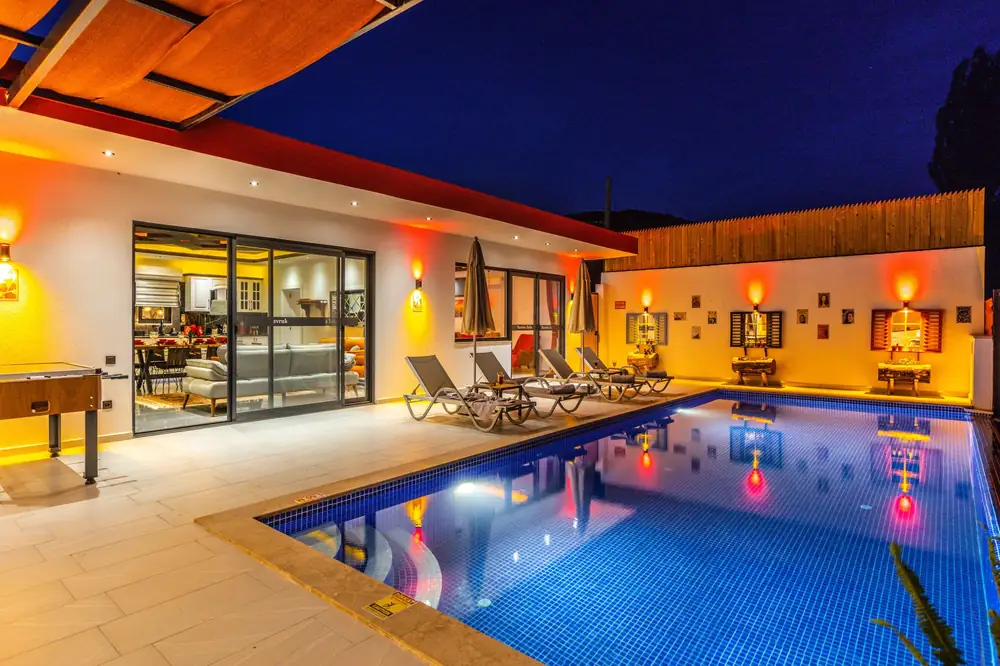
Approvals, Barriers and the NSW Register
Every new pool in New South Wales sits within a clear safety framework, and understanding it takes the worry out of the process. Approval is the first requirement, and it follows one of two paths. For straightforward blocks, a pool can be approved as Complying Development, with a Complying Development Certificate issued by a private certifier, a faster route that avoids a full council assessment. Where the site is more complex, or local controls apply, approval instead comes through a Development Application lodged with Tenterfield council. Whichever path applies, the pool must have a child-safety barrier that complies with AS 1926.1: a minimum fence height of 1200 millimetres, a self-closing and self-latching gate, and a non-climbable zone kept clear around the fence. Once construction is complete, the pool must be entered on the NSW Swimming Pools Register before it can be filled and used, and a certificate of compliance confirms the barrier meets the standard. During the build itself, work is carried out under SafeWork NSW requirements covering site safety. None of this is left to chance: in a Legume build the certification, barrier and registration are coordinated so the finished pool is compliant from the day it is first used.
Why Local Knowledge Matters in Legume
The pool builders serving Legume are local to the area, not a crew passing through from elsewhere, and that shapes how every project is run. Aussie Pool Builder holds the licence and insurance required for residential building work in New South Wales, and the team works across Tenterfield and the broader Richmond - Tweed with trades it has used and trusts on site after site. Local knowledge earns its keep on a pool build more than on almost any other home project. The character of Legume blocks varies enormously, from flat suburban yards to steep or rock-laden sites, and knowing what the ground is likely to hold before excavation begins keeps a job on schedule and a quote honest. Familiarity with the Tenterfield approval process matters too, because a builder who understands when a Complying Development Certificate suits and when a Development Application is the better route can steer a project down the smoother path. Beyond the technical side, being local means a builder is accountable to the community it works in and reachable if anything needs attention after handover. For a homeowner weighing up who to engage, that combination of proper licensing, real insurance and genuine local experience is what separates a dependable Legume builder from the rest.
Choosing a Reliable Pool Builder in Legume
When a Legume homeowner is weighing up pool builders, a short checklist separates the dependable from the doubtful. Confirm the licence first: residential building work in New South Wales must be performed under a current builder licence, and that can be checked on the NSW Fair Trading public register in a couple of minutes. Confirm public liability insurance second, as this is the cover that protects the property and the homeowner while work is underway. Insist on a written, fixed-price scope third, with the pool shell, filtration, fencing, paving and any provisional sums each set out, so the quote that is agreed is the price that stands. Ask for recent references from Tenterfield and look for evidence of completed pools nearby, since a builder active in the area should be able to show its work. The red flags are equally important to know. Pressure to pay a large cash deposit, vague or shifting inclusions, and an inability to point to recent Richmond - Tweed projects all warrant caution. A trustworthy builder is also open about how a job will be approved, whether through a Complying Development Certificate or a Development Application, and about meeting the AS 1926.1 barrier rules and the NSW Swimming Pools Register before a pool is used.
What a Tenterfield Build Has to Account For
Putting a pool into a Legume yard means working with the specific ground and rules of Tenterfield, and accounting for them properly is what keeps a build sound. Access tends to be the first thing checked, since the side of the property sets which machinery can reach the pool area, and the narrow access typical of many established Tenterfield blocks can mean compact excavators, hand digging or a crane to lift plant in. What lies beneath is equally important, because Richmond - Tweed soils range from free-draining sand to reactive clay to shallow sandstone, and rock changes the excavation and the engineering needed for a stable shell. Slope is a further factor, as a sloping Legume block may require retaining walls or a raised section to keep the pool level, and any established trees on or near the site need their root zones considered. The council requirements frame the whole job, with most Legume pools approved either as a Complying Development Certificate through a private certifier or as a Development Application through the Tenterfield council, depending on the property. The Richmond - Tweed conditions of climate and exposure also influence placement and finishes. Reading the block, the soil, the slope and the local controls together allows a Legume pool to be built to suit its ground rather than against it.
Local Conditions Across Richmond - Tweed
The Richmond-Tweed in the far north-east is the warmest, most humid corner of the state, taking in Lismore, Ballina, Byron Bay and the Tweed. Hot, wet summers and mild winters give one of the longest swimming seasons in New South Wales, frequently September to May, with a heat pump easily extending it to year-round use. Soils range from rich volcanic basalt clay on the hinterland ridges to coastal sand near the beaches, and the heavy clay is reactive, so engineered footings and drainage are important on hillside blocks around Legume. The region also carries genuine flood risk, as Lismore has shown, so finished pool levels and equipment placement should be checked against flood mapping. High rainfall and humidity mean good filtration and circulation matter. Sloping hinterland sites often suit a partly raised or infinity-edge design across Tenterfield.
Frequently Asked Questions About Pool Building in Legume
- How much does a new swimming pool cost in Legume?
- Cost depends on type, size, site access and finishes. As a guide in Legume, an installed fibreglass pool typically runs $35,000 to $75,000, while a custom concrete pool generally sits between $55,000 and $120,000 or more for larger designs. Rock excavation, retaining walls, premium tiling and landscaping all move the final figure on a Tenterfield block.
- Concrete or fibreglass: which suits Legume better?
- Both perform well; the decision usually rests on your Legume block and goals. Concrete is the pick for a fully custom shape, feature edges or a difficult Richmond - Tweed site, while fibreglass wins on speed, value and low upkeep. Concrete is formed and sprayed on site; fibreglass arrives as a moulded shell and installs in a fraction of the time.
- How long does it take to build a pool in Legume?
- A fibreglass pool can be installed in roughly one to two weeks once approvals are in place, because the shell is manufactured off site and craned in. A custom concrete pool usually takes several weeks to a few months, since it is formed, sprayed, cured and finished on site. Access and Richmond - Tweed weather both affect the schedule on a Legume job.
- Is council approval required to build a pool in Legume?
- Almost every pool in New South Wales needs approval before construction, either a fast-tracked Complying Development Certificate through a registered certifier or a Development Application through Tenterfield. The right route hinges on your Legume property and the relevant planning controls, and the paperwork is a standard part of the build process.
- How long does pool approval take in Legume?
- It depends on the pathway. A Complying Development Certificate through a private certifier is the faster option and is often determined within a few weeks where the design clearly meets the standards. A Development Application through Tenterfield council generally takes longer, commonly a couple of months, as it allows for assessment and any required notification in Legume.
- What fencing does a pool need in Legume?
- All pools in Legume require a safety barrier built to AS 1926.1, covering fence height, a self-closing and self-latching gate and non-climbable zones. Options include frameless glass, semi-frameless glass and tubular aluminium. The barrier is inspected for compliance and the pool is recorded on the NSW Swimming Pools Register as part of finishing the job in Tenterfield.
- What ongoing maintenance and running costs should I expect?
- Running costs in Legume cover electricity for the pump, chemicals, and occasional water top-ups, plus more if the pool is heated. Most owners spend a moderate amount each week. An energy-efficient pump, a saltwater or mineral system and a pool cover all bring those costs down, and fibreglass interiors generally need fewer chemicals than other finishes.
- Is a pool possible on a tight or sloping site in Legume?
- Small and sloping blocks are common across Legume and Tenterfield, and pools are built on them regularly. A plunge pool suits a compact yard, while a sloping site may require retaining walls or an elevated, partly raised pool. Engineering for slope, side access and rock is a normal part of building on a difficult Richmond - Tweed block.
- Pool heating: can I extend the swim season in Legume?
- Yes. Solar, heat-pump and gas heating each extend the swimming season for Legume pools. Solar is the most economical to run in sunny Richmond - Tweed suburbs, heat pumps deliver reliable warmth on demand, and gas heats quickly for occasional use. Pairing any system with a pool cover holds the heat in and cuts running costs noticeably.
- What is the difference between salt, mineral and chlorine pools in Legume?
- All three keep a Legume pool clean; they differ in feel, cost and handling. Saltwater chlorination is popular for soft water and minimal chemical handling, mineral systems add magnesium for a silkier swim favoured by health-conscious owners, and manual chlorine remains the cheapest to set up. Salt and mineral systems can be fitted to new Tenterfield builds or retrofitted to an existing pool.
- What does a standard pool build cover in Legume?
- A typical pool build in Legume brings together excavation, the shell, filtration and plumbing, fencing, paving and the interior, with landscaping often added. Access is the key practical factor: excavators and a concrete pump or a delivery crane need a usable path to the site. Where access is tight, the build is planned around it, and the inclusions are confirmed in writing for the Tenterfield job.
- Do you offer a warranty on your pools?
- Yes. Pools built in Legume carry a structural warranty, and fibreglass shells include the manufacturer's warranty on the shell itself. The work is carried out by builders fully licensed and insured for residential construction in New South Wales, and the cover that applies to your build is set out clearly in the contract before work begins.
Other Suburbs We Serve in Tenterfield
Acacia Plateau Pool Builders
Boomi Creek Pool Builders
Lindesay Creek Pool Builders
Lower Acacia Creek Pool Builders
Old Koreelah Pool Builders
The Glen Pool Builders
Woodenbong Pool Builders
Koreelah Pool Builders
Muli Muli Pool Builders
Brumby Plains Pool Builders
Beaury Creek Pool Builders
Tooloom Pool Builders
Urbenville Pool Builders
Wallaby Creek Pool Builders
Upper Tooloom Pool Builders
Capeen Creek Pool Builders
Upper Duck Creek Pool Builders
Yabbra Pool Builders
Haystack Pool Builders
Roseberry Creek Pool Builders
Joes Box Pool Builders
Cullendore Pool Builders
Findon Creek Pool Builders
Peacock Creek Pool Builders
Afterlee Pool Builders
Barkers Vale Pool Builders
Cawongla Pool Builders
Cedar Point Pool Builders
Collins Creek Pool Builders
Cougal Pool Builders
Dairy Flat Pool Builders
Eden Creek Pool Builders
Edenville Pool Builders